




A connecting flight can be a sensible way to reach your destination. The question is whether the itinerary fits your trip once you account for the extra time, baggage arrangements, and any transfer costs.
Don't judge a connection only by the number of minutes between flights. Start by understanding exactly what you're buying.
Check whether the flights share a ticket
Read the offer for words such as “separate tickets” or “self-transfer.” Ask the seller how a missed connection would be handled and what responsibility each airline has for the itinerary. Avoid assuming that two flights listed together share the same booking arrangements.
British Airways' flight connections guidance distinguishes connections on one booking from separate bookings. The details are specific to its service, so use the operating airlines' current instructions for your own trip.
If the explanation is unclear, ask before paying. A slightly cheaper ticket isn't helpful if you discover an important condition after purchase.
Read the airport codes on every leg
Check the arrival airport of the first flight against the departure airport of the second. A city name can hide an airport change. Also check whether the flights use different terminals.
If you need to travel between airports, look up the transfer route, operating hours, and cost. Add a realistic allowance for collecting bags, reaching transport, checking in again, and passing through security. Use the airline's guidance rather than a universal connection-time rule.
Confirm what happens to your bags
Ask whether checked luggage goes through to the final destination or must be collected and checked in again. Keep the answer with your itinerary. Different airlines, routes, and booking arrangements can have different baggage instructions.
Google Flights notes in its fare guide that some cheaper options require travelers to transfer their own luggage. Treat that as a task to plan for, rather than a small detail in the search result.
Even with cabin baggage only, you still need to understand the boarding and check-in arrangements for the onward flight.
Compare the full journey time and cost
Look at the time from your first departure to your final arrival, including the layover. Check the local dates as well as the times. An itinerary that looks like one travel day can arrive the following day.
Add any meals, hotel, airport transport, or baggage costs that the connection creates. Then compare the result with a nonstop option that includes what you need. Our flight-price comparison guide explains how to build that total.
Consider your reason for traveling. On a short break, a long layover may use much of the time you wanted at your destination. For a longer stay, the same trade-off might suit you well.
Verify transfer requirements before buying
Check the airport and airline instructions for your route. If the itinerary requires entering a country, changing airports, or collecting baggage landside, confirm the applicable travel-document requirements through official sources for your nationality. Don't infer them from the price or from the fact that a search website lists the journey.
Save the flight link and the terms that describe the connection. For an uncertain detail, get an answer from the airline or seller before you commit.
Keep the selected itinerary intact
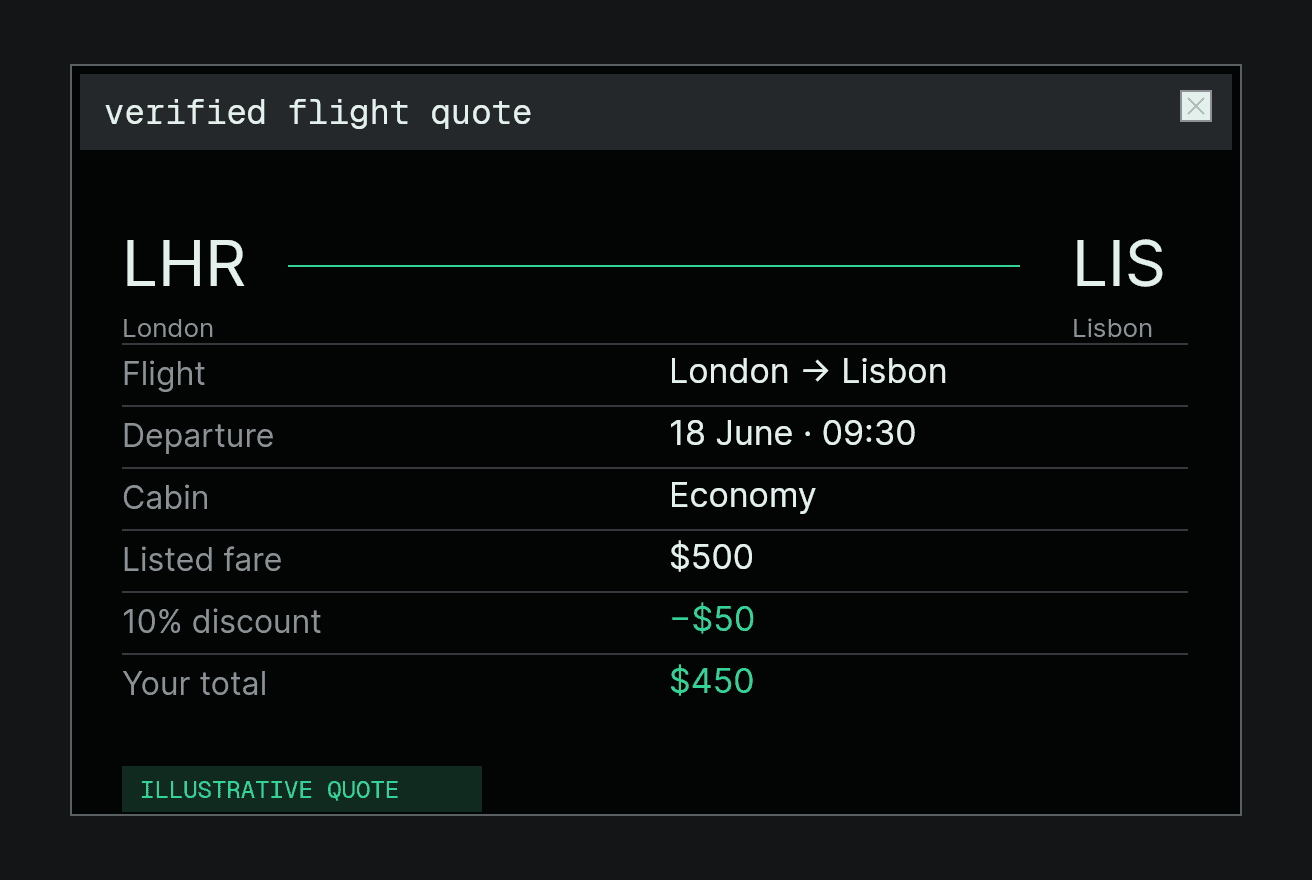
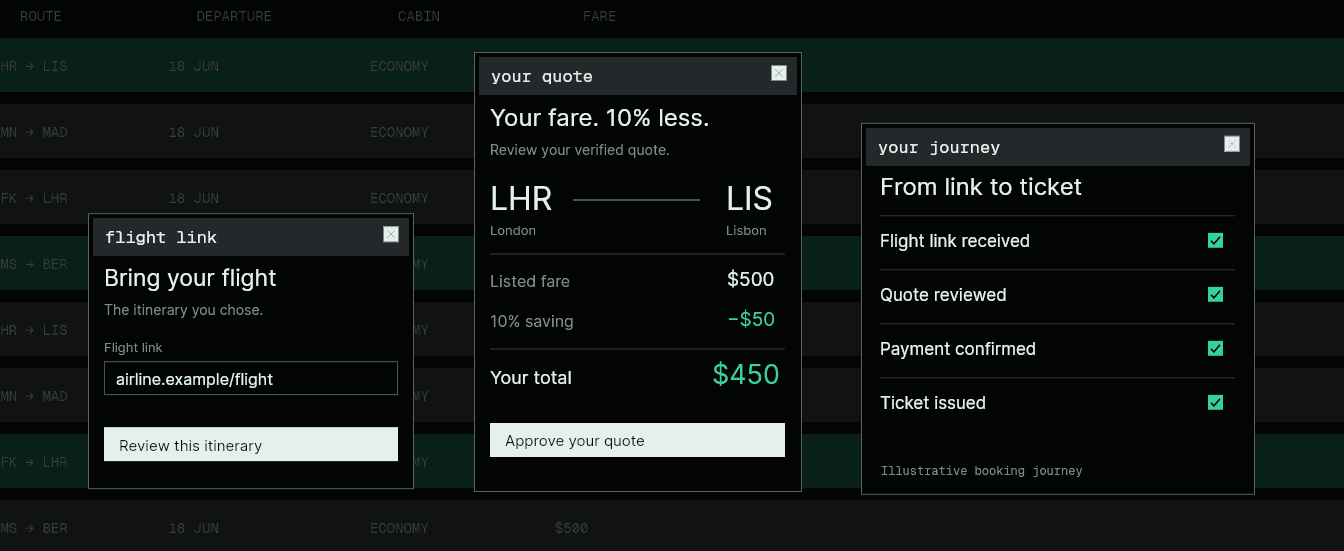
Once you've chosen an option, recheck every leg, airport, travel date, and selected extra on the booking page. If you submit the trip to Farelumo, send that selected link and the complete total for all travelers. The link is what the team uses to review the itinerary after payment.
Farelumo's 10% discount is available on eligible airlines. Payment and ticket issuance are separate stages; a payment does not reserve the seats. You can read the booking journey or reach 24/7 booking support before submitting a request.