



If your trip can move by a day or two, you have more options to compare. That doesn't mean a particular weekday will always be cheaper. It means you can search for the dates that work best for your own route and budget.
Start with the flexibility you actually have. A ticket isn't a useful saving if its dates mean missing the event you planned the trip around.
Define your date window first
Write down your earliest departure, latest return, and ideal number of nights. Include the days you need for work, family, and travel to the airport. If you are attending a wedding or meeting, give those fixed dates priority.
A clear window makes it easier to compare results. You can reject flights that don't fit instead of rebuilding your plans every time a lower price appears.
Search for the real group size, too. A fare for one traveler doesn't tell you the total for a family. Keep the passenger count and cabin the same as you move between dates.
Compare the calendar and price graph
Google Flights offers a date view and a price graph for comparing fares across different departure dates, weeks, or months. Its guide to finding fares explains these tools and the option to compare nearby airports.
Use them to build a shortlist rather than chasing every low number. Pick two or three combinations that fit your window, then open the actual flights. Compare departure times, trip duration, baggage, and the full return itinerary.
If you already know where you want to go, keeping the destination fixed helps you make a useful decision. Searching every destination at once may be fun when you're open to a new trip, but it is a different task from finding a better fare for a planned visit.
Count the cost of moving the trip
Compare the whole trip for each date combination. Check whether an earlier departure adds a hotel night, whether a later return adds parking, and whether a cheaper flight lands after your usual transport has stopped.
For example, a hypothetical flight saving of $40 is gone if the date change adds a $70 hotel night. The arithmetic is simple, but it helps you avoid optimizing the ticket while making the holiday more expensive.
If your accommodation is already booked, read its change conditions before moving the flights. Keep a note of costs that are fixed and costs that change with your dates.
Track a useful shortlist
If you aren't ready to book, Google Flights lets you track a route or selected flights. You can track specified dates or use “Any dates” when you are flexible. Alerts tell you about significant changes; they don't guarantee that your preferred itinerary will fall in price.
Set a maximum total you are comfortable paying and a date when you'll make a decision. That gives the search a finish line. Keep comparing on the same terms so you can recognize an offer that meets your needs.
Choose dates you can commit to
Before booking, confirm the local departure and arrival dates on every leg. An overnight flight can arrive on a different calendar day, and a late arrival can affect your first night of accommodation.
Recheck the full price and selected extras on the booking page. Our flight-price comparison guide gives you a checklist for that final comparison.
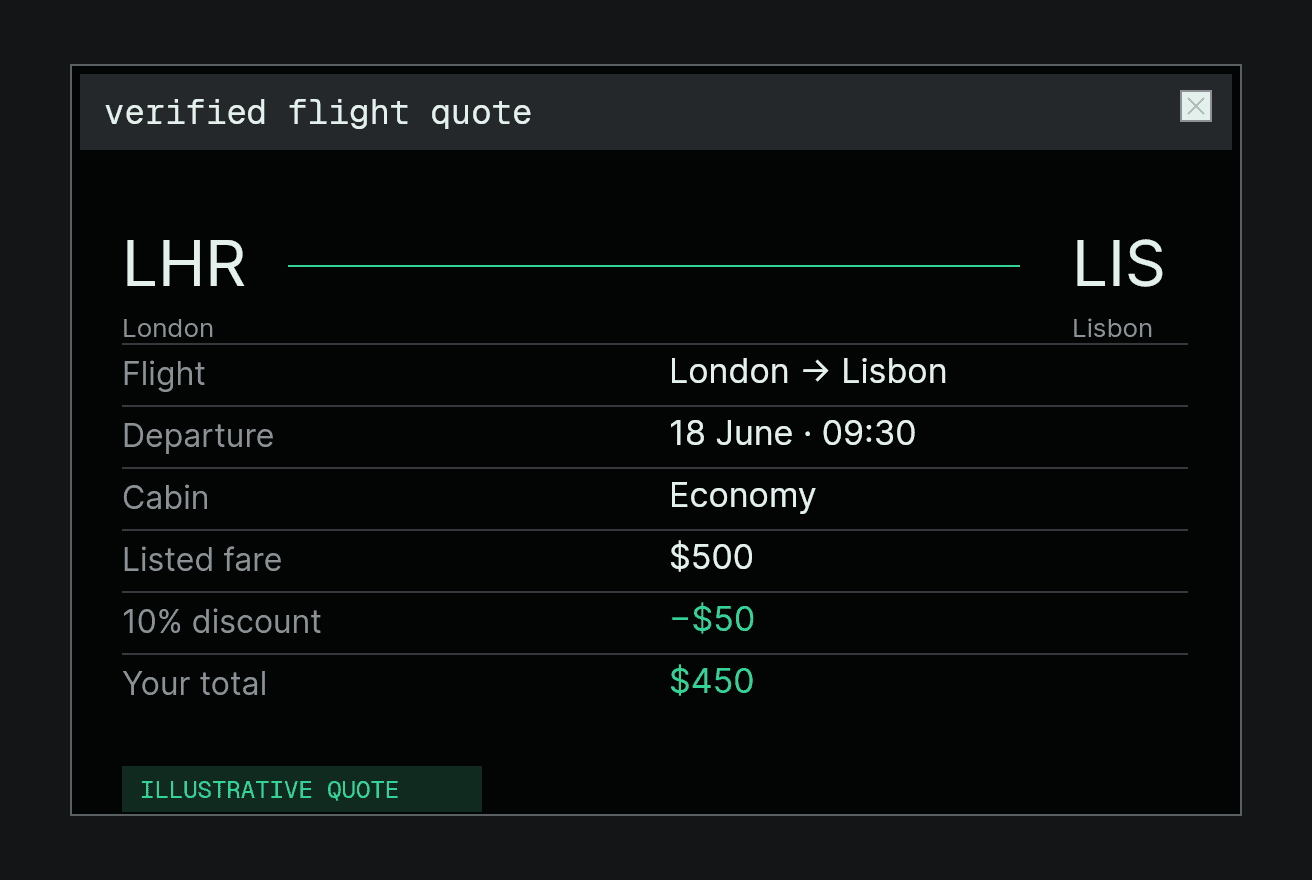
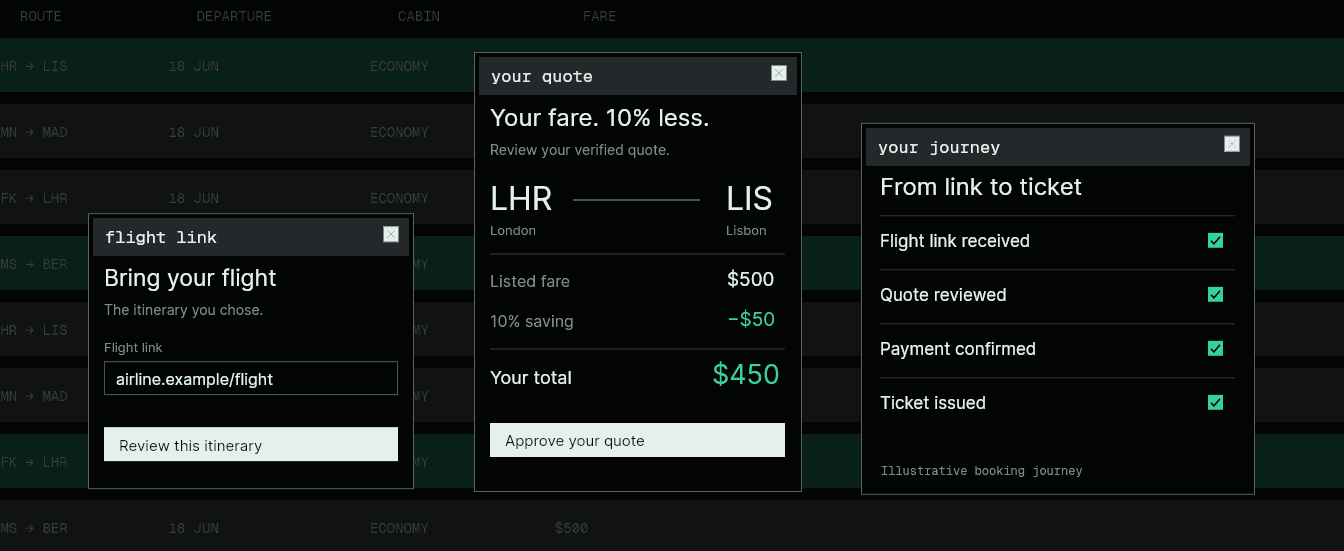
If you choose Farelumo, submit the selected flight link and its complete total. You can book without an account. The 10% discount applies to eligible airlines, and the team verifies the fare and availability after payment before ticket purchase. If the request cannot be fulfilled, a refund is arranged under the booking request terms.